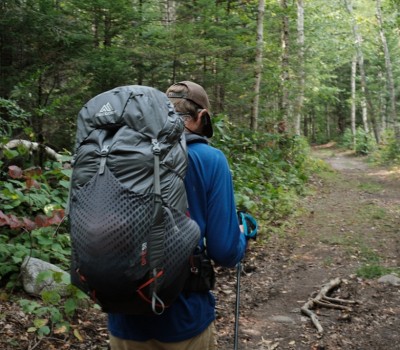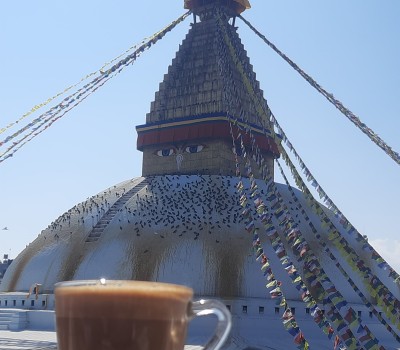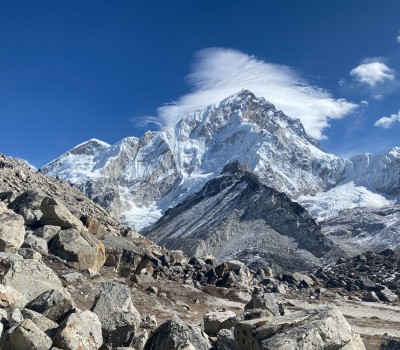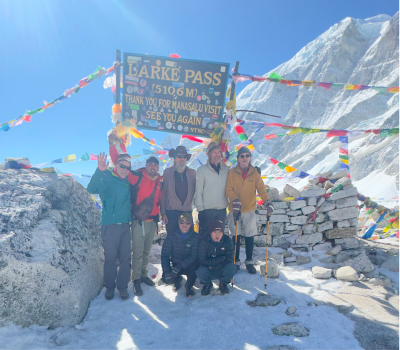
Trekking in Nepal is something more than mountain climbing and mere walking along beautiful trails. It is also a unique chance to experience the rich cultures of the regions that one crosses.

Trekking in Nepal is something more than mountain climbing and mere walking along beautiful trails. It is also a unique chance to experience the rich cultures of the regions that one crosses. Once one steps out of the main trails, one is not only seeing beautiful landscapes but also learning about the lives, traditions, and stories of the people living there. Below, find out how cultural experiences can make a Nepal trekking journey even more poignant and rewarding.
Introduction: Blending Adventure with Culture
• Setting the Scene: More than just physical challenges and stunning views, trekking in Nepal offers some unforgettable cultural encounters. Among trekkers, it is often these cultural encounters along the way that leave the longest memories.
• Why Culture Matters: Involvement and understanding of the local culture that one comes across provide depth to this experience, making any trek a journey of real discovery.
Cultural Highlights on Famous Trekking Routes in Nepal
• Annapurna Circuit:
Diverse communities and traditions abound in the wide range of ethnic communities, from Gurung to Thakali and Manangi communities dotting the Annapurna region. The monastery visits, joining in festivals that fall along the trek route, and learning about the ancient salt trading routes that once flourished in the area add to the richness of your experience.
• Everest Base Camp Trek:
-Sherpa Culture and Spirituality: Hike to Everest through Sherpa villages for a glimpse into a unique culture. Visit monasteries, one of the most famous being Tengboche Monastery, to learn about the Sherpa people's deep connection with Buddhism and mountains.
• Langtang Valley Trek:
Tamang Heritage: The Langtang Valley is a Tamang cultural hub. The trekking here allows tourists to visit Tamang villages and taste the food hosted by the Tamang people. Monasteries, which are very old, can also be visited and their daily rituals observed.
Interactive Cultural Experiences: Connect with Local Life
• Home Stays and Local Lodgings:
Homestays with local families can be arranged along most routes in Nepal, allowing guests to witness daily life up-close: cooking and sharing of traditional meals and learning about the family's customs and local traditions.
Attending/ Participating in Local Festivals:
• Time Your Trek: Time your trek in such a time that it would fall during local festivals. For example, if you go on a trek to the Mustang region during Tiji Festival, you could enjoy some age-old traditional dancing and rituals.
• Cultural Workshops and Hands-on Learning:
- Experiencing Local Crafts: Sometimes, trekking areas offer workshops where you get to know traditional crafts in the form of pottery, weaving, or even cooking Nepali dishes. Such activities serve as a way of connecting with the culture on tangible levels.
Respecting and Preserving the Culture Locally
Cultural Sensitivity:
• Respectful Engagement: Engaging with the culture at a grassroots level involves respect for the cultural identity of the local people. This can be suggested by advising on modest dressing, learning some key phrases in Nepali, and being sensitive to customs and etiquette.
• Supporting Local Communities:
Ethical Tourism: Emphasize how trekkers have contributed towards local economies through the purchase of local handicrafts, engaging guides locally, and sleeping in family-run camps. This will not only fill your trek with memories but also give you an extended period to help keep the local culture alive.
Personal Stories and Local Voices
• Trekker Experiences: This can feature various stories of different trekkers and their most striking cultural experiences in Nepal. The stories may reveal how these encounters have made the journey worth it and the gain of new insights.
• Local Perspectives: This could be in the form of interviews with local guides or members of the community as regards their feelings about how trekking has affected their culture and what they hope that trekkers take away from the visit.
Conclusion: Enhancing Your Trekking Experience
• More Than Just a Trek: You can conclude here that trekking in Nepal isn't about the physical journey alone; it is an opening to deep connection with the world around one. You may want to encourage trekkers to avail themselves of these cultural experiences and approach their trek accordingly with curiosity and respect for the local culture.
• Call to Action: Invite them to be a part of the cultural experiences that your treks have in store in Nepal, and let them make their next trek a venture in adventure and cultural.
Visit our website, Wayfaring Nepal, for more travel tips, guides, and stories about the wonders of Kathmandu and beyond. Let us help you plan your journey to this remarkable city, where every corner holds a story waiting to be discovered.l exchange.